Hedge Trimming in Hendon

Hedge Trimming Hendon provides a straightforward, well-kept finish for gardens that need regular cutting, shaping or a fuller seasonal tidy-up. Our main service is hedge trimming in Hendon, with work focused on keeping boundary hedges, feature hedges and mixed planting lines neat, healthy-looking and easier to maintain. The emphasis is on a clean, controlled result that suits the garden and the growth habit of the hedge rather than an over-cut, one-shape-fits-all approach.
Trimming is often about more than appearance. A hedge that is left to run too far can become uneven, heavy at the top or awkward around paths, gates and driveways. We can shape hedges for a sharper outline, reduce untidy growth where appropriate and manage the cut so the hedge still looks balanced. For customers comparing options, our services overview is a useful starting point, while the hedge trimming page gives a more direct view of the main work.
Some gardens need a light tidy, while others benefit from a more detailed trim that restores a clear line along the front, side or top. We work with the practical details as well as the finish, including access, surrounding beds and nearby surfaces that need to stay clean. If you already know the hedge is ready for attention, take a moment to view pricing and quotes and then request a quotation when you are ready.
Hedge shaping and routine maintenance
Regular hedge trimming keeps growth within a manageable shape and helps the garden feel ordered without making the hedge look stripped back. Some hedges need only a light pass to sharpen the profile, while others need a more careful reduction of soft new growth to restore definition. Our approach is practical: we trim to the form the hedge already wants to hold, then refine the result so the line reads neatly from the street, patio or lawn.
Routine maintenance is often best planned around the hedge itself. Evergreen hedges may need a different pattern of care from deciduous varieties, and formal front boundaries usually call for a more precise finish than softer rear-garden screening. Where a hedge forms part of the garden design, we can keep the edges even, maintain the top line and avoid obvious patchiness. For customers who prefer a broader look at related work, garden maintenance covers the wider upkeep side of the service.
What a tidy trim can include
Depending on the hedge and the amount of growth, a trim may involve cutting the sides back to a consistent plane, easing the top to a level line, and neatening the face so it appears fuller and better balanced. It can also mean clearing stray shoots around corners, entry points and narrow runs where the hedge has drifted beyond its intended width. If your plans involve reshaping rather than simple tidying, landscape gardening may also be relevant for related outdoor improvements.
Cutting back overgrowth with care

Hedges that have become too tall, too wide or irregular after a long gap between cuts often need a more considered reduction. Cutting back overgrowth is different from a light trim because the aim is to bring the hedge back to a usable proportion without leaving obvious gaps or an unnatural silhouette. We look at the current spread, the density of the growth and the surrounding space before shaping the hedge down to a more manageable size.
This kind of work is especially useful where hedges are beginning to obstruct light, encroach on paths or make access awkward. A careful reduction can improve the usable space around the garden while keeping the hedge visually in place. For some properties, the work may sit alongside boundary planting or other outdoor improvements, so it can help to explore landscaping if you are considering a wider refresh of the outside space. Trimming with restraint usually gives the best long-term result.
Because each hedge species and shape responds differently, we do not treat every job as a simple cut-and-finish task. A broad, established hedge may need staged tidying rather than a hard, single reduction, while younger growth may only need light correction. If you are still deciding whether the hedge needs trimming, shaping or reduction, a plain-text note with the approximate length, height and access details is enough to begin a quotation request.
Boundary hedges, garden screens and frontages
Some hedges are mainly functional, marking a boundary or providing screening from neighbours and passers-by. Others carry a stronger decorative role and need a cleaner line to suit a more formal garden layout. We trim hedges with that difference in mind, so a screen remains dense enough to do its job while a frontage hedge keeps the sharper outline that makes an entrance look cared for. The aim is always a tidy result that fits the hedge’s role in the garden.
Where hedges run along driveways, narrow side returns or front paths, the finish matters as much as the growth control. Clean edges help the hedge feel intentional rather than unmanaged, and careful trimming can improve visibility and movement around the property. Useful planning information, including how work is discussed and arranged, is set out on about us, while contact us is the place to use when you are ready to ask for a quotation.
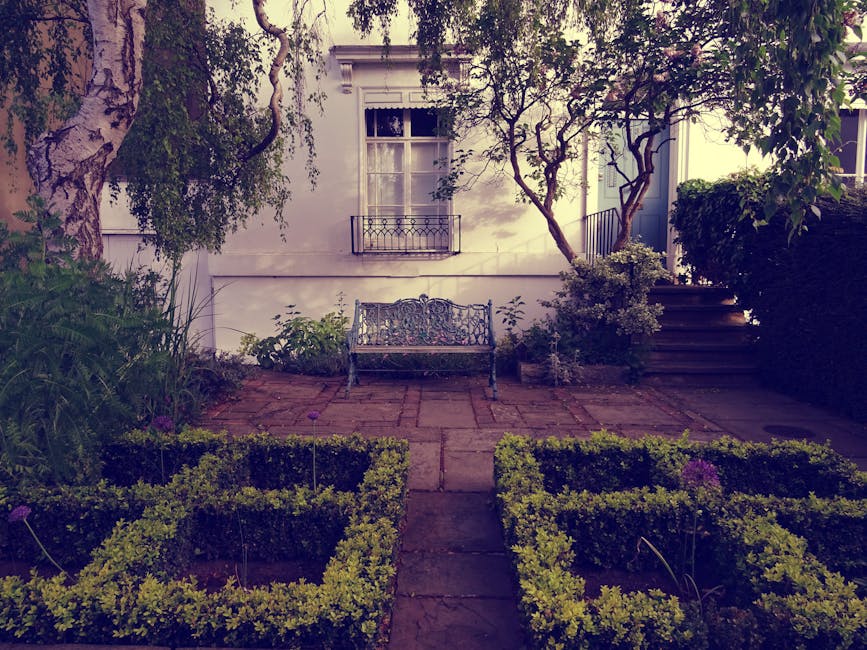
For hedges that frame a front garden or sit close to paving, the work often needs a tidy hand rather than aggressive cutting. We can keep the profile crisp without making the hedge look harsh, and we can work towards a finish that sits comfortably with lawns, planting beds and boundary lines. If your garden also needs general cutting back, the same visit may be easier to plan around other tidy-up work rather than leaving overgrowth to spread.
Preparing a quotation for hedge trimming

A clear quotation begins with the practical details that affect the amount of work involved. The main points are usually the hedge length, approximate height, whether the hedge is one-sided or needs both faces trimmed, and whether there is easy access along the full run. It also helps to know if cuttings can be left on site or if removal is expected, because that changes the time and handling required.
A sensible enquiry does not need to be complicated. A short description of the hedge, a few images if you have them, and a note about any tight access or nearby obstacles is often enough for a useful starting point. If you prefer to compare the wider service details first, the hedge trimming page and services overview can be read before sending your request. Keep the request focused on the hedge itself and the finish you would like.
- Length of hedge and approximate height
- Whether it needs shaping, reduction or a simple tidy
- Access to the front, side or rear of the garden
- Any obstacles such as fences, walls, beds or paving
- Whether cuttings should be cleared away
Trimming for healthier looking growth
Good hedge trimming is not only about appearance. A neat cut can help remove messy, wandering growth and keep the hedge’s outline consistent, which makes the planting look more settled. For many gardens, the value of a trim is that it restores control without changing the hedge beyond recognition. The result should look like the hedge has been looked after, not forced into an unnatural shape.
Different hedges respond in different ways, so the finish is best judged by the plant and the current condition rather than a fixed idea of what a hedge should look like. Some are best maintained with a regular light cut; others benefit from selective attention to long shoots or uneven sections. If the garden also needs broader outdoor work, garden clearance may be worth considering where there is more than simple hedge trimming involved.
We also keep practical limitations in view. A hedge that has been neglected for some time may need care to avoid an uneven outcome, and a hedge close to delicate planting may need a more measured cut. The goal is a finish that works with the hedge’s structure and the space around it. For many customers, that means a steady maintenance pattern rather than waiting until the hedge becomes difficult to bring back into line.
About Hendon
Hendon is a district in the London Borough of Barnet, in north-west London, with a long history that reaches back well before modern suburban growth. It is known for a mix of residential streets, older village traces and major transport connections, and the area has evolved through centuries of change from a rural settlement into a busy part of the capital. Historic Hendon includes references to the old parish and to the wider development of the area around the A41 corridor, while later expansion brought new housing, civic buildings and commercial uses. Today, the district combines local neighbourhood character with strong links to central London and surrounding parts of Barnet. One of its best-known landmarks is the RAF Museum, which reflects the area’s aviation history and wider role in twentieth-century development. Hendon Central and the surrounding roads create a recognisable urban focus, while the district also contains quieter residential patches where tree-lined streets, older homes and garden plots still shape the local feel. The place name is also associated with Golders Green and other nearby parts of north London in everyday usage, but Hendon itself has a distinct identity with its own mix of housing, routes and community life. Green spaces and smaller parks sit alongside busier streets, and the area’s built form includes terraces, semis and later infill development that reflect different phases of expansion. As a result, Hendon is both familiar and varied, with enough history and texture to stand apart from the larger borough around it.
Shape, finish and seasonal timing

Seasonal growth changes the way a hedge should be trimmed, even when the aim is simply to keep it neat. Softer growth can be cut back lightly and tidily, while denser sections may need a slower, more careful pass. We look at the hedge as a living boundary rather than an object that can be cut to one fixed pattern. That gives a finish that sits naturally with the garden instead of leaving it looking overworked.
In many gardens, the best result comes from balancing shape with function. A hedge that screens a seating area may need to retain depth, while a boundary hedge beside a path may need the lower edge kept clear enough to preserve access. Where useful, we can also talk through the main details before work is booked: the hedge type, the desired finish, and whether there are any sections that should be left slightly fuller. If you need a broader outdoor tidy, lawn mowing can complement hedge work neatly in the same garden plan.
Our focus remains on a controlled, sensible cut that suits the hedge’s current state. That means not taking off more than the hedge can reasonably lose in one go and not forcing a shape that will quickly look tired again. When the hedge is trimmed at the right level, the whole garden often feels more orderly and easier to keep on top of through the year.
Clearing cuttings and finishing the job neatly
A completed hedge trim should leave the garden looking better, not simply different. That means paying attention to the finish around the hedge line, the surrounding hard surfaces and the visibility of cut growth. Where cuttings are present, they can be gathered and dealt with as part of the job if that is what has been agreed. This is particularly helpful after larger trims or when the hedge has shed a substantial amount of material.
Clean-up matters because a hedge often sits beside paths, lawns, beds and gates that are used daily. Small details, such as loose clippings in gravel or on paving, can undermine an otherwise tidy result. For customers who want a fuller garden tidy, garden maintenance can be a useful page to read alongside the hedge work, especially where several tasks need to be coordinated in one visit. The final look should be neat, even and practical.
If you are planning a quotation request, a short note about whether you would like cuttings removed is usually enough to include the right allowance. That keeps the request focused and helps the response reflect the actual job rather than a generic assumption. We aim for a tidy handover, with the hedge looking well finished and the area around it left in sensible condition.
Planning hedge work around the rest of the garden

Many hedge jobs sit alongside other garden tasks, and it can be helpful to think about the order in which they are done. Trimming often makes sense before lawn work if the hedge sheds cuttings, while a heavier reduction may be best planned before finer decorative tasks nearby. The aim is to avoid repeating effort and to produce a better overall result, not just a neater hedge on its own.
Where a garden has several issues at once, keeping the scope clear is useful. A hedge can be trimmed, reshaped or reduced without turning the job into a full garden overhaul, but there are cases where a wider set of works is more efficient. For example, overgrown sides, patchy boundaries and untidy planting may be better approached as part of landscape gardening rather than as isolated tasks. The right choice depends on what the garden needs most.
If you would like to request a quotation, send the basic hedge details and the finish you want, and we will take it from there. Whether the job is a quick tidy or a more careful reduction, the focus remains on a clean, controlled result that suits the hedge and the garden it sits in.