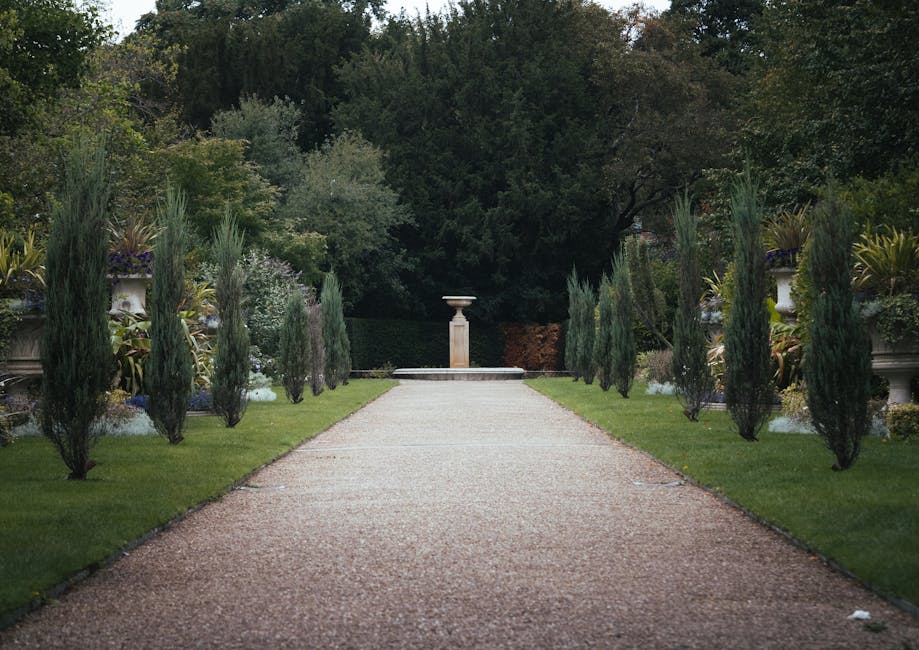
Avoid hidden garden maintenance costs in Hendon NW4
Garden maintenance should feel straightforward. A trim here, a mow there, maybe a clear-up after a windy week. But in real life, the bill can creep up fast. One overlooked hedge, a patch of waste that needs removing, or a job that turns out to need extra time can all add hidden costs before you know it. If you want to avoid hidden garden maintenance costs in Hendon NW4, the key is not just finding the cheapest quote. It is understanding what is included, what is not, and what usually catches people out in local gardens.
This guide breaks it down in plain English. You will see where surprise charges tend to come from, how to compare services properly, and what to ask before any work starts. If you live in Hendon NW4 and want a tidy garden without awkward add-ons later, this will help you make calmer, better decisions. Truth be told, that bit of clarity can save a lot of hassle.
Table of Contents
- Why avoiding hidden garden maintenance costs matters
- How hidden costs usually appear in garden maintenance
- Key benefits of planning properly
- Who this is for and when it makes sense
- Step-by-step guidance to reduce surprises
- Expert tips for better value
- Common mistakes to avoid
- Tools, resources and recommendations
- Law, compliance, standards and best practice
- Options and comparison table
- Case study or real-world example
- Practical checklist
- Conclusion
- Frequently asked questions
Why Avoiding Hidden Garden Maintenance Costs in Hendon NW4 Matters
Hidden costs are frustrating because they rarely arrive as a dramatic shock. More often, they build quietly: a little extra for waste bags, a little more for overgrown borders, another charge for access problems, and suddenly the budget you thought was safe is not so safe anymore. In a busy part of London like Hendon NW4, where properties can vary from compact front gardens to larger rear plots, maintenance needs are rarely one-size-fits-all.
Why does this matter so much? Because garden maintenance is often ongoing, not a one-off fix. If the pricing structure is vague, the same garden can feel cheap one month and surprisingly expensive the next. That makes budgeting harder and can lead to rushed decisions, like delaying work until the garden becomes more expensive to restore. And let's face it, an untidy garden is easier to ignore when you are busy, but it does not usually get cheaper on its own.
There is also the quality angle. A low headline price can tempt people into choosing a service that cuts corners or excludes important tasks. Later, they end up paying again for extra visits or corrective work. Clear pricing is not just about saving money today; it is about avoiding repeat spending.
How Avoiding Hidden Garden Maintenance Costs in Hendon NW4 Works
The process is simpler than it sounds. It starts with understanding what "garden maintenance" actually includes for your property. For some homes, it may mean lawn mowing, edging, light weeding, and a quick tidy. For others, it could also involve hedge trimming, leaf clearance, border care, and waste removal. The more specific the job, the easier it is to price properly.
Hidden costs usually appear when the scope is unclear. For example, a quote may cover routine cutting but not disposal of green waste, or it may assume easy access to the rear garden when the real route is through a narrow side passage and a few awkward steps. Those are not "unexpected" in a practical sense, but they are often unexpected on the invoice.
Good garden contractors typically break work into clear components: labour, materials if any, access conditions, waste disposal, and any special tasks. That structure helps you compare quotes on a like-for-like basis. If one quote is much lower, ask yourself what it is missing. There is usually a reason. Not always a bad reason, but a reason.
If the job is more involved, it may make sense to combine maintenance with a broader service such as garden clearance or even a wider services overview to make the scope clearer from day one. That can reduce the patchwork of separate callouts that often rack up costs later.
Key Benefits and Practical Advantages
When you control hidden costs, the benefits are not just financial. You also get a smoother experience, less stress, and better long-term results. Here are the big wins.
- Clear budgeting: You know what the work should cost before it starts, which makes planning much easier.
- Better comparisons: You can compare quotes fairly rather than guessing which one is genuinely better value.
- Fewer surprises: Clear scope means fewer awkward add-on charges after the job is done.
- Improved maintenance cycles: Regular care is simpler to manage when each visit is priced predictably.
- Less repeat work: Proper planning reduces the chance of needing a second visit because something was missed.
- More confidence: You can make decisions without feeling boxed in by vague terms.
There is also a practical comfort in knowing what will happen next. If your hedges, lawn, and borders are all handled through a planned schedule, the garden tends to stay manageable. It is a bit like keeping up with washing up instead of facing a mountain of plates later. Not glamorous, but effective.
For many households, the most useful benefit is simply avoiding that one painful invoice moment. The sort where you stare at the number and think, "Hang on, where did that come from?"
Who This Is For and When It Makes Sense
This approach is useful for homeowners, landlords, tenants responsible for a garden, and anyone managing a property in Hendon NW4 where outdoor space needs regular attention. It is especially relevant if the garden has become a little overgrown, if you are comparing several local providers, or if you have had surprise add-ons before.
It also makes sense if you are planning seasonal work. Spring growth can arrive quickly, then summer brings frequent mowing and trimming, and autumn usually means leaf fall, pruning, and more waste. If you only think about maintenance when the garden looks wild, costs often rise because the job is no longer routine.
Property owners who value presentation will feel this most. Front gardens, shared access areas, and spaces that are visible from the street need steadier upkeep. A small amount of regular attention is usually cheaper than periodic rescue jobs. That is not a hard law, just a very common pattern.
If you are managing more than just lawn care, it may help to look at related services like landscape gardening or landscaping when the garden needs structural changes as well as routine upkeep. The more a garden changes, the more important it becomes to define what is maintenance and what is project work.
Step-by-Step Guidance
Here is a straightforward way to keep costs under control without making the process complicated.
- Walk the garden before getting quotes. Look at lawn areas, hedge length, overgrown corners, waste piles, access routes, and any awkward features like slopes, steps, or narrow gates.
- List the exact tasks you want done. Mowing, edging, hedge trimming, pruning, weeding, leaf collection, and waste removal should be separated if possible.
- Ask what is included in the price. A clear quote should say whether disposal, fuel, labour, tools, and VAT are included if relevant.
- Check how access affects the job. If tools and waste must be carried through the house or a tight side path, that may affect labour time.
- Confirm the condition threshold. Ask whether the quote assumes a regularly maintained garden or an overgrown one. This is a classic source of confusion.
- Clarify frequency. One-off, fortnightly, monthly, or seasonal visits all cost differently. A single tidy-up is rarely priced the same as ongoing maintenance.
- Agree the handover point. Find out what counts as completed work. For example, will clippings be bagged, removed, or left for composting?
- Keep records. Save the quote, scope, and any follow-up messages. It sounds dull, but it saves arguments later.
A quick example: a homeowner in NW4 wants the lawn cut and a hedge shaped. If the hedge is much taller than expected, a quote that looked fine at first can shift once the extra ladder time, safety precautions, and waste volume are accounted for. That does not mean the provider is being unfair. It means the initial scope was incomplete.
Small details matter. A few missing details can be the difference between a neat afternoon job and a much longer visit that nobody really planned for.
Expert Tips for Better Results
In our experience, the best way to avoid hidden costs is to think like a project manager for five minutes before the work begins. Not forever. Just five minutes. That small pause can save a lot later.
- Ask for a task breakdown, not just a headline number. A single figure is fine for simple jobs, but a breakdown helps you see where extra charges might appear.
- Be honest about the garden condition. If it has not been maintained for months, say so. Surprises often start with understatement.
- Separate routine maintenance from recovery work. A garden that needs "bringing back under control" often needs a different price from one that just needs regular care.
- Plan waste removal early. Green waste is one of the most common hidden extras, especially after hedge work or clearance.
- Use seasonal planning. If you know spring and autumn are busier, book sooner rather than waiting for the rush.
- Choose clarity over bargain hunting. A tidy, explicit quote is often better value than a cheap one with fine print.
One more thing. If a contractor is vague about what happens if the job takes longer than expected, ask them to explain it before you commit. The answer should be easy to understand. If it is not, that is useful information in itself.
For jobs involving trees, thick branches, or obstructive growth, it may also be sensible to look at tree lopping and removal. Tree work can change the cost structure quite a bit, especially if disposal and access are involved.
Common Mistakes to Avoid
Most hidden costs come from a handful of very ordinary mistakes. Nothing dramatic. Just small oversights that snowball.
- Choosing only by the lowest quote. The cheapest initial price can be misleading if waste removal, access issues, or extra labour are not included.
- Assuming all garden maintenance is the same. A light mow is not the same as clearing an overgrown plot. Not even close.
- Skipping the site visit or detailed photos. Without context, it is easy to underestimate the amount of work.
- Forgetting about waste. Bags, loading time, and disposal are often where the bill creeps up.
- Not defining frequency. If one visit turns into three because the garden was left too long, your cost pattern changes fast.
- Ignoring access challenges. Long carries, locked gates, and difficult parking can all add time.
- Letting vague language slide. "General tidy-up" sounds fine until nobody agrees on what it meant.
There is a mildly annoying truth here: the more vague the quote, the more likely it is to become expensive later. That is not always intentional, but it is still a problem. Better to ask the awkward question upfront than the expensive one afterwards.
Tools, Resources and Recommendations
You do not need a toolbox full of specialist gear to stay on top of garden costs. A few simple habits and practical tools can help.
- A basic garden checklist: Use it before every quote request so nothing gets forgotten.
- Photos of problem areas: Useful if you are asking for a quote without an in-person visit.
- Calendar reminders: Handy for seasonal tasks like hedge cutting, mowing, and leaf clearance.
- A notes app or spreadsheet: Keep track of what was quoted, what was done, and what cost extra.
- Separate piles for green waste: Helps you see at a glance how much disposal may be involved.
Where relevant, a provider's public pages can also be useful for checking how they handle value and service detail. For example, pricing and quotes information can help set expectations, while insurance and safety guidance is a sensible place to look if the work involves ladders, tools, or heavier garden waste.
If sustainability matters to you, ask how waste is handled and whether materials are recycled where appropriate. A lot of people care about this now, and fairly so. You want the garden tidy, but you do not want a mountain of waste handled carelessly.
It can also be worth reviewing the company's broader approach through an about page or its recycling and sustainability information. These pages will not tell you everything, of course, but they can help you judge whether the business is organised and transparent.
Law, Compliance, Standards, or Best Practice
For most homeowners, garden maintenance is not a heavily regulated transaction in the way some trades are, but there are still sensible standards to look for. In the UK, garden work should be carried out with proper care, safe equipment, and reasonable attention to waste handling and site conditions. If the job involves pruning near power lines, tree work, climbing, or heavy clearance, the need for caution rises quickly.
Best practice usually means clear communication, fair pricing, and safe working methods. A provider should be able to explain what the job includes, what could change the price, and how they handle access, waste, and health and safety. If you are not comfortable with the level of detail, keep asking. There is no award for pretending everything is obvious.
It is also sensible to check the terms attached to any quote or booking, especially where cancellation, deposits, timing, or payment terms are concerned. If you want that sort of detail spelled out, terms and conditions and payment and security guidance are useful references.
For providers working in people's homes or shared spaces, professionalism matters beyond the garden itself. Clear conduct, respect for property, and tidy waste removal are all part of good service, not extras. On a wet Tuesday afternoon, when the grass is heavy and the bins are already full, that professionalism is what makes the difference.
Options, Methods, or Comparison Table
Not every garden needs the same maintenance model. Some are best handled through occasional visits, while others are cheaper and easier to manage on a repeating schedule. Here is a simple comparison to help you think it through.
| Approach | Best for | Potential cost risk | Why it can help |
|---|---|---|---|
| One-off tidy-up | Neglected gardens or seasonal resets | Higher if the scope is not defined clearly | Useful for getting back to a manageable baseline |
| Regular maintenance | Front gardens, lawns, hedges, and ongoing care | Lower if tasks are consistent | Makes budgeting more predictable |
| Clearance plus maintenance | Overgrown plots that need a reset | Medium to high if waste volumes are underestimated | Combines recovery and upkeep into one plan |
| Project-based landscaping | Garden redesigns or structural changes | Higher if design changes mid-job | Better suited to planned transformations |
If your garden is genuinely overgrown, starting with a clearance can sometimes be more economical than trying to maintain chaos. A service like garden clearance can reset the space first, after which routine maintenance becomes easier to price and manage. It is not always the right option, but it is often the cleanest one.
Case Study or Real-World Example
Imagine a typical Hendon NW4 back garden: a modest lawn, two hedges, borders along the fence, and a small pile of old cuttings tucked behind a shed. The owner asks for a "general tidy-up" and receives a quick quote over the phone. It sounds fair enough.
On arrival, the job turns out to include thicker hedge growth than expected, a lawn that needs edging, a lot more waste than was visible in the first photo, and awkward access because materials need carrying through a narrow side gate. Nothing unusual, really. Just a few details that matter.
If the original scope was vague, the price can move once work begins. The owner may feel surprised, while the contractor may feel the extra work was obvious. That mismatch is where hidden costs live.
Now compare that to a better-prepared approach. The owner sends photos, lists the exact tasks, mentions the waste pile, and confirms access. The quote may be slightly higher at the start, but it is far more stable. The job is less stressful, there is no awkward conversation at the end, and the garden is left in a better state. Simple as that.
The lesson is not that maintenance should always be cheap. The lesson is that predictable is better than cheap-and-shifty. Most people would rather pay a fair amount once than a smaller amount that keeps changing.
Practical Checklist
Use this checklist before booking any garden maintenance work in Hendon NW4.
- Have I listed every task I want done?
- Do I know whether waste removal is included?
- Have I explained the current condition of the garden honestly?
- Have I checked for access issues, parking limits, or narrow paths?
- Do I know whether the quote is for a one-off visit or regular maintenance?
- Have I asked what counts as extra work?
- Have I reviewed any terms linked to timing, cancellation, or payment?
- Do I understand whether the work needs mowing, hedge cutting, clearance, or something broader?
- Have I saved the quote and any written confirmation?
- Am I comparing similar scopes rather than just comparing prices?
Quick expert summary: the best way to avoid hidden garden maintenance costs in Hendon NW4 is to define the work clearly, check what is included, and make waste, access, and condition part of the conversation from the start. That one habit solves a surprising amount.
Conclusion
Hidden garden maintenance costs are usually not caused by one big mistake. They come from small gaps in the brief, unclear pricing, and assumptions that do not quite match the real garden. The good news is that these problems are very avoidable. Once you know what to ask, what to check, and how to compare quotes properly, the whole process becomes much easier.
In Hendon NW4, where gardens can range from compact and tidy to heavily overgrown, a clear plan is worth more than a vague promise of a cheap price. Ask better questions, separate maintenance from clearance when needed, and keep an eye on waste and access. That is how you protect your budget without cutting corners on the result.
If you are ready to take the next step, explore the service information that matches your garden's needs and make your request as clear as possible. A little preparation now can save a lot later, and to be fair, that is a pretty good trade.
Get a free quote today and see how much you can save.
Frequently Asked Questions
What are the most common hidden garden maintenance costs in Hendon NW4?
The most common extras are waste removal, overgrown hedge or lawn work, difficult access, longer labour time, and jobs that turn out to be bigger than first described. Poorly defined scopes are the usual culprit.
How can I compare garden maintenance quotes properly?
Compare the same tasks, the same garden condition, and the same assumptions about waste and access. A cheaper quote is only useful if it includes the same work as the others.
Is waste removal usually included in garden maintenance prices?
Not always. Some providers include it, others price it separately. Always ask, because cuttings, branches, and bagged waste can change the final cost more than people expect.
Why does an overgrown garden cost more to maintain?
Overgrown gardens usually need more time, more tools, more waste handling, and sometimes more safety care. It is more like recovery work than routine maintenance.
Should I book garden clearance before regular maintenance?
If the garden has become heavily neglected, clearance first can be the more practical option. Once the space is back under control, ongoing maintenance is usually easier and more predictable.
How often should a garden in Hendon NW4 be maintained?
That depends on the size of the garden, the amount of growth, and the look you want to keep. Lawns and hedges often need more frequent attention in the growing season, while slower periods may need less.
What should be written in a garden maintenance quote?
A good quote should clearly say what tasks are included, what is excluded, whether waste removal is covered, and whether the price assumes normal or overgrown conditions. The more specific, the better.
Can access issues really affect the final price?
Yes. Narrow side passages, stairs, locked gates, shared access, or awkward carrying distances can all add time and effort. It sounds minor, but it adds up.
What if my garden needs both landscaping and maintenance?
Then it is sensible to separate the project work from the routine upkeep. Landscaping is usually about changing the garden, while maintenance is about keeping it tidy once the changes are in place.
How do I avoid paying twice for the same job?
Be clear about the scope before work starts, confirm whether extra tasks will need approval, and keep written records. If something is not in the brief, it is easier for it to become an extra charge.
Are seasonal garden jobs more expensive?
They can be, especially when growth is heavy or leaf fall builds up. Seasonal spikes often mean more labour and more waste, so planning ahead is a smart move.
Where can I find more detail about service standards and payment?
It helps to review the provider's pages on health and safety, payment and security, and service details so you know what to expect before booking.