Hendon Central garden care guide for terraced homes
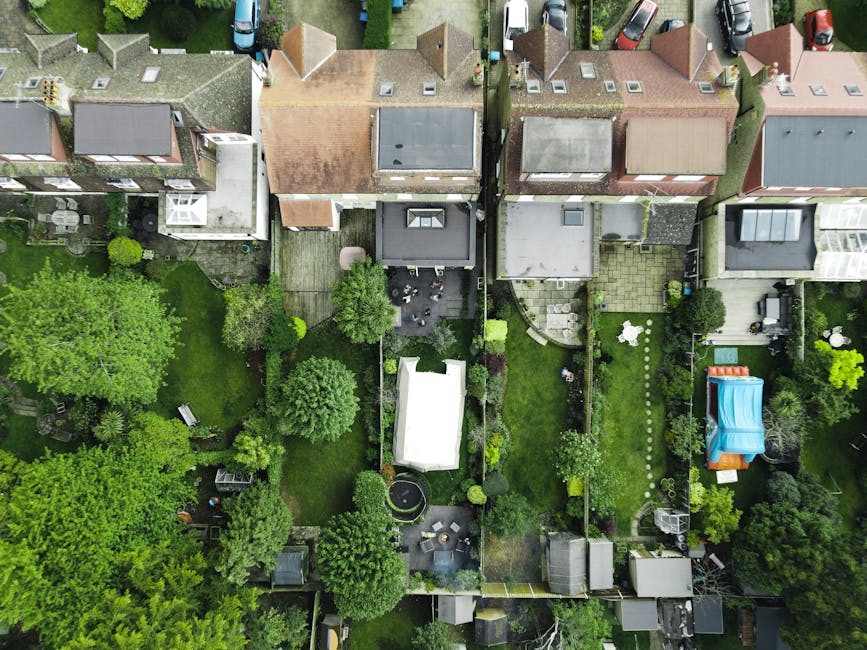
If you live in a terraced home in Hendon Central, you already know the garden is doing a lot of heavy lifting. It might be a narrow strip behind the kitchen, a compact front patch, or a split-level space that gets more shade than you'd like. Either way, the right Hendon Central garden care guide for terraced homes can turn a cramped outdoor area into a calmer, greener place that feels much bigger than it is.
To be fair, terraced gardens have their quirks. You get neighbouring fences close by, awkward access, limited storage, and the sort of light that changes hour by hour as buildings cast shadows. But that doesn't mean the space is difficult. It just needs a smarter approach. In this guide, you'll find practical ways to maintain, improve, and plan a terrace garden so it works through the seasons, looks cared for, and stays manageable without turning into a weekend burden.
Whether you want a tidy low-maintenance garden, a family-friendly outdoor room, or simply a healthier lawn and better planting, this guide walks through the essentials in plain English. You'll also find local-minded advice for North West London conditions, realistic maintenance expectations, and a few reminders about what tends to go wrong when terraced gardens are treated like larger suburban plots. Lets face it, a small garden can become a big mess quickly if you leave it alone for just a few weeks.
Expert takeaway: terraced-home garden care works best when you focus on structure first, maintenance second, and seasonal flexibility all year round. In small London gardens, consistency beats intensity nearly every time.
Table of Contents
- Why Hendon Central garden care guide for terraced homes Matters
- How Hendon Central garden care guide for terraced homes Works
- Key Benefits and Practical Advantages
- Who This Is For and When It Makes Sense
- Step-by-Step Guidance
- Expert Tips for Better Results
- Common Mistakes to Avoid
- Tools, Resources and Recommendations
- Law, Compliance, Standards, or Best Practice
- Options, Methods, or Comparison Table
- Case Study or Real-World Example
- Practical Checklist
- Conclusion
- Frequently Asked Questions
Why Hendon Central garden care guide for terraced homes Matters
Terraced homes in Hendon Central often have gardens that need a different kind of care from larger detached properties. Space is tighter. Boundaries are closer. Soil can be compacted. And because many terraced gardens sit between buildings, they may get wind tunnels, patchy light, or stubborn shade for part of the day. That creates a very specific kind of maintenance challenge.
Why does this matter? Because small gardens show neglect fast. A few weeds, a clogged drain, and an overgrown hedge can make the whole space feel cramped. But the reverse is also true. A well-kept terrace garden looks calmer, more usable, and often more private than it actually is. The right care can make a modest outdoor area feel like an extra room, which is exactly what many householders want.
There's also a practical side. Poor drainage, hidden litter, overgrown roots, and badly managed climbers can cause avoidable damage over time. In tight urban settings, good garden care protects fences, paving, walls, and planting beds, not just the view from the back door. If you're also improving the home itself, it's worth thinking alongside services like routine garden maintenance and, where needed, professional hedge trimming so the whole space stays coherent rather than a patchwork of fixes.
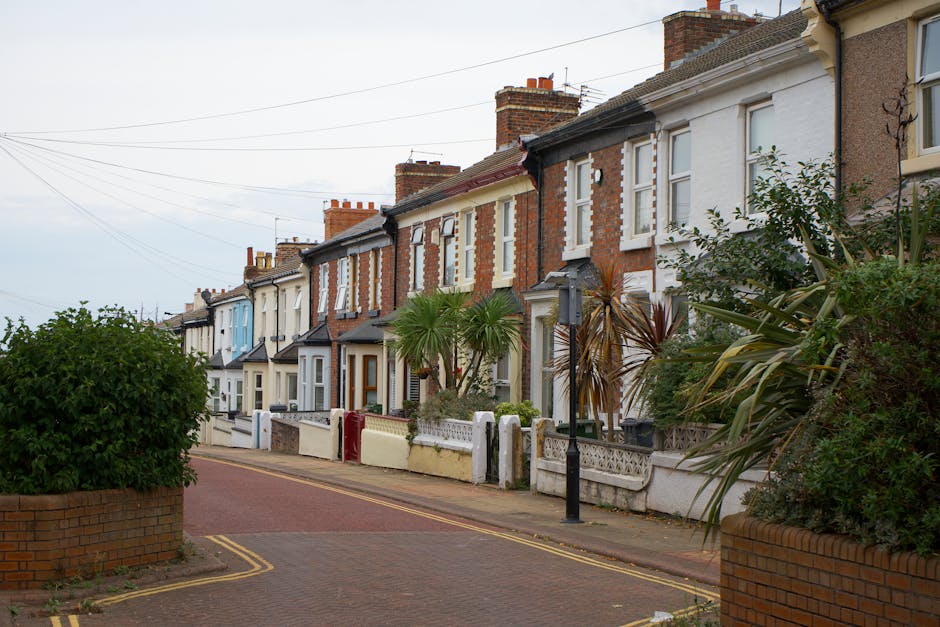
And if you've got a front terrace garden, curb appeal matters too. A neat entrance can make the whole property feel more cared for before anyone even steps inside. That first impression does some quiet heavy lifting, truth be told.
How Hendon Central garden care guide for terraced homes Works
At its core, terraced garden care is about working with the space rather than fighting it. A large garden can hide a poor plan for a while. A small one usually can't. So the process begins with observation: where does the sun fall, where does water collect, what gets damaged by foot traffic, and which parts are purely ornamental versus genuinely used.
For Hendon Central homes, it helps to break the garden into functional zones. Even a narrow yard can often be divided into three simple areas: a visible zone near the house, a planting zone along one or both boundaries, and a utility or storage corner. That way, you're not trying to make every square metre do the same job. It sounds obvious. Often it isn't.
Garden care also works seasonally. Spring is usually about recovery and growth. Summer is about control, watering, and keeping things accessible. Autumn is for cutting back, clearing leaves, and preparing the soil. Winter, while quieter, is the time to protect plants, inspect drainage, and plan improvements. A terrace garden that gets small, regular attention is far easier to maintain than one treated to an occasional all-day overhaul.
In practical terms, good care means combining routine maintenance with occasional upgrades. That might include:
- keeping lawn edges or paving lines neat
- pruning shrubs before they encroach on walkways
- refreshing mulch or soil conditioners
- checking for drainage issues after heavy rain
- choosing plants that cope well with local conditions
If your space has been neglected for a while, a one-off clean-up can help reset things before ongoing care starts. In that case, a service such as garden clearance may be the sensible first step, especially where there are weeds, brambles, broken pots, or old materials left in the garden. No shame in that. Gardens get away from people. It happens.
Key Benefits and Practical Advantages
There's more to garden care than keeping up appearances. In terraced homes, the benefits are often felt in daily life, not just seen.
- Better use of limited space: a tidy layout makes compact gardens feel larger and less cluttered.
- Improved drainage and soil health: regular care helps spot compaction, puddling, and depleted beds before they become headaches.
- Reduced maintenance stress: smaller, scheduled tasks are much easier than scrambling after months of overgrowth.
- More privacy and comfort: managed planting and boundaries can soften overlooked spaces without making them feel boxed in.
- Safer access: clear paths and controlled growth reduce trip hazards, slippery surfaces, and blocked bins or storage areas.
- Better seasonal resilience: gardens that are pruned, mulched, and watered well usually recover faster after heat, frost, or wind.
There's also a quieter benefit people don't always mention: a well-kept garden changes how the home feels inside. Open the back door on a mild evening and smell freshly cut grass or damp compost after rain, and the whole place feels lighter. Not glamorous, maybe, but very real.
If you're improving outdoor areas with longer-term value in mind, you might also explore broader support such as landscaping services or a more tailored planting design approach. Small gardens often benefit from deliberate choices rather than lots of plant variety. Fewer, better decisions usually win.
Who This Is For and When It Makes Sense
This guide is useful if you fall into any of these groups:
- you own a terraced house in Hendon Central and want a more manageable outdoor space
- you rent a property and need to keep the garden presentable without major changes
- you've inherited a small garden that hasn't been properly maintained in years
- you want to improve the garden before selling or letting the property
- you've got children, pets, or regular visitors and need the garden to be practical as well as attractive
It also makes sense if you've noticed that your garden feels "busy" all the time. That can mean too many containers, uneven surfaces, awkward storage, or plants that have simply outgrown the layout. In a terraced setting, a little clutter goes a long way. A narrow space can start to feel like a corridor with pots in it. Nobody really wants that.
You may need a different approach if your garden is mostly paved, heavily shaded, or shared along boundaries with neighbours. In those cases, maintenance is as much about keeping edges, joints, and boundaries in order as it is about plant care. If tree growth is involved, especially where branches or root spread affect neighbouring plots, a service like tree surgery may be more relevant than simple pruning. It's one of those areas where judgment matters more than enthusiasm.
Step-by-Step Guidance
If you want a practical way to handle terraced garden care, this is the simplest sequence to follow. No drama. Just a method that works.
1. Start with a full visual survey
Walk the whole garden slowly. Look for overgrowth, weed pressure, poor drainage, damaged paving, broken fencing, bare soil, and dead or struggling plants. Check what you can see from inside the house too. Often the most annoying thing is not the biggest problem, but the one that catches your eye every morning.
2. Remove the obvious clutter
Clear broken pots, tangled supports, dead leaves, old ties, and anything blocking movement. This first clear-out changes the space fast. If the garden is seriously congested, start with clearance before thinking about planting or styling. A crowded garden is hard to read properly.
3. Tackle weeds and unwanted growth
Weed control in terraced gardens needs a steady hand. Pull annual weeds before they seed, dig out perennial weeds where possible, and treat any hard-to-reach areas between paving or along boundary edges. If there's climbing growth that has escaped its support, trim it back carefully and check whether it is helping or hurting the structure of the garden.
4. Assess soil and drainage
Small London gardens often suffer from compacted soil, especially if people walk across beds or if the area has been repeatedly worked without adding organic matter. If water sits after rain, improve the soil structure with compost, mulch, or other suitable amendments. In some cases, better drainage may be needed around patio edges or low spots. You don't need to over-engineer it, but you do need to notice it.
5. Prune for shape, light, and access
Pruning in a terrace garden is less about making everything small and more about making everything usable. Cut back growth that blocks light, crowds paths, or leans into neighbouring property. Keep airflow moving. That helps plant health and reduces the damp, enclosed feel that can happen in tightly boxed-in gardens.
6. Refresh the planting structure
Choose plants that suit the light and the level of care you can realistically give. In partial shade, for example, plants that tolerate lower light will save you more time than constantly replacing sun-loving species that look sorry for themselves by July. Containers can work very well in terraced gardens because they allow flexibility. Just remember they need feeding and watering more often.
7. Put maintenance on a repeatable schedule
This is the part people skip, and then wonder why the garden keeps reverting. A simple weekly or fortnightly routine is enough for many small gardens: check for weeds, deadhead where needed, sweep hard surfaces, water containers, and inspect for early problems. A little often beats a lot later. It really does.
One practical note: if you're unsure how much work the garden needs, start by comparing the current state of the space with the level of care you can reasonably sustain. That honesty saves money and frustration. A beautiful garden that you hate maintaining is not a success. It's a chore in disguise.
Expert Tips for Better Results
Here are the kinds of details that often make the biggest difference in smaller terraced gardens.
- Use height carefully: vertical planting, trellis panels, and climbers can add depth without eating floor space.
- Repeat a limited plant palette: a few well-chosen species usually looks smarter than a mix of mismatched containers.
- Keep the edges crisp: neat boundaries create the impression of order even when the planting is relaxed.
- Work with shade instead of fighting it: shade-tolerant planting often performs better than trying to force sun plants into poor light.
- Mulch beds in the right season: it helps retain moisture, suppress weeds, and improve soil over time.
- Check access points: if the only route into the garden is narrow, plan jobs in the right order so you are not carrying tools back and forth ten times. Been there, done that, not fun.
A useful local-minded tip: in built-up North West London settings, dust, traffic residue, and general urban debris can build up on hard landscaping more quickly than you expect. Regular washing or sweeping on paving and patios keeps the garden feeling fresher. It also helps you spot algae or slip-prone patches before they become a nuisance.
If you want a more refined finish, consider pairing maintenance with selective improvements such as patio cleaning or pressure washing where appropriate and safe for the surface. Not every surface should be blasted clean, of course. Soft stone, old pointing, and fragile joints need more care. That's where judgment matters.
Common Mistakes to Avoid
Terraced gardens are easy to damage with well-meaning mistakes. Some are obvious. Some creep in slowly.
- Planting too densely: it may look lush at first, then become overcrowded and difficult to prune.
- Ignoring drainage: compact ground and blocked runoff can create puddles, moss, and root stress.
- Choosing the wrong plants for the light: this is one of the most common reasons small gardens look tired.
- Letting hedges and climbers escape their boundaries: once they spread, tidying them becomes more work than it should be.
- Overusing hard landscaping: too much paving can make the garden feel hotter, smaller, and less flexible.
- Waiting for a complete overhaul before starting maintenance: small improvements made now are better than perfect plans made later.
Another quiet mistake is trying to make the garden do everything at once. Seating area, kids' play area, veg patch, shed corner, wildlife planting, low-maintenance display, and privacy screen. In a terrace garden, something usually has to give. That doesn't mean the space is limited. It just means the layout needs priorities.
And one more, because it matters: don't prune heavily without knowing the plant's habit. Some shrubs and climbers forgive a bad cut. Others sulk for a season. If you're unsure, trim conservatively and watch how the plant responds.
Tools, Resources and Recommendations
You do not need a van full of specialist equipment to keep a terrace garden in good shape. A few solid tools make routine care far easier.
| Tool or resource | Best for | Why it helps in terraced gardens |
|---|---|---|
| Hand fork and trowel | Small beds and containers | Good for tight spaces where larger tools feel clumsy |
| Bypass secateurs | Pruning soft stems and light woody growth | Allows clean cuts without crushing delicate stems |
| Long-handled loppers | Heavier branches and awkward reaches | Useful when access is narrow and you want better leverage |
| Garden rake or leaf collector | Seasonal leaf fall and surface tidy-ups | Keeps patios and borders clear without damaging plants |
| Watering can or hose with controlled flow | Containers and dry spells | Terraced gardens often need targeted watering rather than soaking everything |
| Compost and mulch | Soil improvement and moisture retention | Helps smaller beds stay productive and less weed-prone |
Beyond tools, the most useful resource is a simple maintenance plan. Keep notes on what grows well, what struggles, and where water pools after rain. A small notebook, or even a phone note, can save you from repeating the same mistake next spring. Honestly, that little bit of memory-keeping pays off more than people expect.
If you'd rather have support with the heavier work, you may want to look at ongoing garden maintenance, a one-off tidy-up, or broader seasonal help through garden services. Different gardens need different levels of input. There's no prize for doing it the hard way.
Law, Compliance, Standards, or Best Practice
For most terraced home gardens, the key issue is not formal regulation but sensible best practice. Still, there are a few things worth keeping in mind in the UK context.
First, boundary awareness matters. If plants, roots, fences, or overhanging growth are affecting neighbours, it is best to handle it early and politely rather than letting things drift. Shared boundaries can become sensitive very quickly, especially in closely packed streets where everyone lives a little nearer to one another than they'd like on a bad day.
Second, waste disposal should be handled properly. Green waste, soil, rubble, and old timber should be separated and taken away in line with local disposal arrangements. If you're arranging a garden clearance or larger tidy-up, it helps to ask how waste is handled rather than assuming everything disappears magically. It doesn't, of course.
Third, if your garden work involves trees, structural roots, or boundary walls, it may be wise to take a cautious, professional approach. Damage to masonry, drains, or neighbouring plants can be costly if handled badly. In these situations, following established best practice is more useful than trying to be heroic with a saw and good intentions.
Finally, if you're planning more substantial changes, such as hard landscaping, significant excavation, or altering shared access, it is sensible to check whether any permissions, lease conditions, or neighbour agreements are relevant. That detail depends on the property, so it's one area where a careful read beats guesswork.
Options, Methods, or Comparison Table
There is more than one way to care for a terraced garden. The right choice depends on how much time you have, how much the space gets used, and how polished you want it to look.
| Approach | Best for | Pros | Trade-offs |
|---|---|---|---|
| DIY weekly upkeep | Homeowners who enjoy light gardening | Low cost, flexible, good for staying on top of small tasks | Time-consuming if the garden is already overgrown |
| Seasonal professional visits | Busy households or moderate-sized terrace gardens | Good for pruning, clearance, and structured maintenance | Requires planning around visits and budget |
| One-off reset and redesign | Neglected gardens or new owners | Fast transformation, gives the space a fresh start | Needs follow-up maintenance to hold the result |
| Low-maintenance redesign | People who want less upkeep long term | Reduces ongoing labour and can suit smaller plots well | Upfront planning matters more, and plant choice is critical |
If you're unsure which route to take, ask a simple question: do you need the garden to look better once, or stay better all year? That answer usually points you in the right direction. A lot of people think they need a complete redesign when what they really need is a cleaner routine and a few better plant choices.
Case Study or Real-World Example
Here's a realistic example. A terraced home near Hendon Central had a narrow rear garden with a paved section, two tired borders, and a climber that had started to engulf its support. The space wasn't broken, exactly, but it felt busy and slightly neglected. A bit trapped, really.
The first step was a clean-out: dead growth removed, old containers cleared, and weeds lifted from the paving edges. After that, the border soil was improved with compost and mulch, while the climber was pruned back to a manageable shape. The planting was simplified so the homeowner could keep up with it. A couple of shade-tolerant plants replaced species that had struggled in the lower-light area near the fence.
What changed? The garden didn't become bigger, obviously. But it felt bigger. The path was clear, the light reached further into the space, and the eye had fewer competing distractions. By early evening, when the sun sat low and the paving still held a little warmth, the garden had that quiet, usable feel that makes a terrace home much more liveable.
The key lesson was simple: the best result came not from adding more, but from removing what the garden no longer needed. That's common in small London gardens. Less, done properly, is often more.
Practical Checklist
Use this checklist to keep your terrace garden on track through the year.
- Walk the garden and note problem areas
- Clear leaves, dead growth, and clutter
- Check drainage after rain
- Pull weeds before they spread
- Prune shrubs, climbers, and hedges carefully
- Water containers and new planting as needed
- Refresh mulch or compost where the soil looks tired
- Keep paths, patios, and access points clear
- Inspect fences, supports, and boundary planting
- Decide whether a one-off clearance or regular maintenance is the smarter next step
Quick checklist for busy households: if you only have 20 minutes, do the edges, the weeds, and the water. Those three things alone can change how the garden feels.
Conclusion
A terraced home garden in Hendon Central does not need to be large to be lovely. It needs clear priorities, regular attention, and plant choices that suit the space rather than overwhelm it. Once you stop treating a compact garden like a big one, everything gets easier. Maintenance becomes lighter, the layout makes more sense, and the outdoor space starts to feel like part of the home again.
The strongest approach is usually the simplest one: clear what is unnecessary, protect the parts that matter, and keep the routine steady. That might mean a seasonal tidy-up, better pruning, improved drainage, or a complete reset followed by a manageable maintenance plan. Whatever the exact shape, a well-cared-for terrace garden gives back more than it takes. A bit of calm. A bit of colour. A small place to breathe.
If you're ready to improve your outdoor space, start with the jobs that unlock the most comfort first, then build from there. Small progress in a terrace garden can feel surprisingly big.
Get a free quote today and see how much you can save.
Frequently Asked Questions
How often should a terraced home garden in Hendon Central be maintained?
For most small terraced gardens, a light weekly or fortnightly routine works well. That usually includes weeding, watering containers, checking edges, and a quick tidy-up. Bigger jobs like pruning and soil improvement can be seasonal rather than constant.
What makes terraced gardens harder to care for than larger gardens?
They usually have less access, less storage, tighter boundaries, and more shade or wind effects from nearby buildings. Small gardens also show clutter and neglect very quickly, so maintenance needs to be more consistent.
What plants work best in a Hendon Central terrace garden?
It depends on light levels, but shade-tolerant shrubs, compact evergreen plants, climbers on trellis, and container-friendly plants are often a safe starting point. The best choice is usually the one that suits the actual conditions, not the ideal ones you wish you had.
Do I need professional help for a small terrace garden?
Not always. If the garden only needs routine care, DIY maintenance may be enough. Professional help makes more sense if the garden is overgrown, drainage is poor, tree work is involved, or you simply do not have the time to keep on top of it.
How do I stop a small garden from looking cluttered?
Keep the plant palette simple, maintain clean edges, limit oversized furniture, and avoid crowding every corner with pots. In a small space, visual order matters almost as much as planting itself.
What should I do first if the garden has been neglected?
Start with clearance. Remove dead growth, weeds, broken items, and anything that blocks access. Once the space is visible again, it becomes much easier to decide what needs pruning, planting, or repair.
Is patio cleaning worth it for terraced homes?
Often yes, especially where paving has gathered dirt, algae, or leaf staining. A clean patio can make the whole garden feel brighter and more usable. Just make sure the surface is suitable for the cleaning method.
How can I improve privacy in a terraced garden?
Use layered planting, trellis, climbers, or carefully placed screens to soften sightlines. The key is not to block everything, but to create a sense of enclosure without making the space feel boxed in.
Are there any compliance issues I should think about?
Usually the main concerns are neighbour boundaries, waste disposal, and caution around trees, roots, or structural features. If a job involves shared boundaries or significant work, it is sensible to check lease terms, permissions, or local arrangements where relevant.
How much maintenance does a low-maintenance terrace garden really need?
Low-maintenance does not mean no maintenance. It usually means simpler planting, fewer high-demand plants, better mulching, and a routine that is easier to repeat. You still need to weed, water, and prune occasionally, just less intensely.
What is the best time of year to tidy a terrace garden?
Spring and autumn are often the most useful times for heavier work. Spring helps reset the garden for growth, while autumn is good for clearing, cutting back, and preparing for winter. That said, smaller maintenance tasks should happen throughout the year.
Can garden maintenance help with property presentation?
Yes. A neat terrace garden can improve the feel of the home from inside and out. It often makes entrances, patios, and rear spaces seem better cared for, which matters whether you live there long term or are preparing to sell.