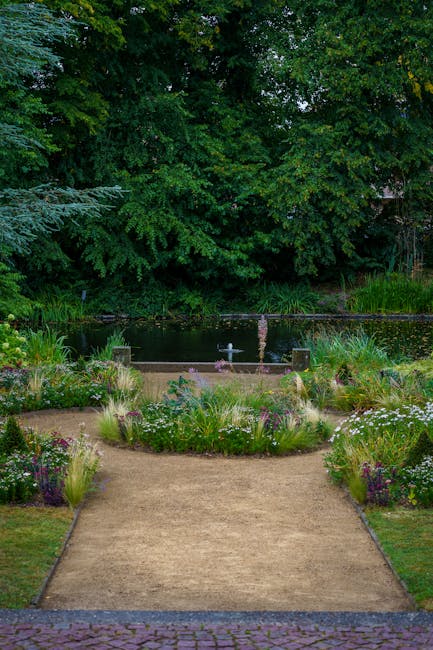
Hendon Park gardeners for family gardens near the pond
If you're looking after a family garden near the pond at Hendon Park, you probably want the same three things most people do: somewhere safe for children to play, planting that actually thrives, and a space that doesn't become a weekend drain on your time. That sounds simple enough. In practice, pond-edge gardens ask for a bit more thought. Damp ground, curious little hands, slippery paths, shade in some corners, and the usual London mix of sun, rain, and "shall we do this now or later?" can all shape what works and what doesn't.
This guide on Hendon Park gardeners for family gardens near the pond is designed to help you make good decisions, whether you're improving a front-to-back family space, planning regular maintenance, or thinking about a more child-friendly layout around water, lawn, and planting. We'll look at what local gardeners typically do, why it matters, and how to get a practical result that feels calm, safe, and easy to live with. Truth be told, the best family gardens are rarely the fanciest ones. They're the ones that keep working in real life.
Table of Contents
- Why Hendon Park gardeners for family gardens near the pond Matters
- How Hendon Park gardeners for family gardens near the pond Works
- Key Benefits and Practical Advantages
- Who This Is For and When It Makes Sense
- Step-by-Step Guidance
- Expert Tips for Better Results
- Common Mistakes to Avoid
- Tools, Resources and Recommendations
- Law, Compliance, Standards, or Best Practice
- Options, Methods, or Comparison Table
- Case Study or Real-World Example
- Practical Checklist
- Conclusion
- Frequently Asked Questions
Why Hendon Park gardeners for family gardens near the pond Matters
Gardening beside a pond changes the brief. A family garden near water is not just about looking tidy on a Saturday morning; it's about balancing enjoyment, safety, plant health, and simple upkeep. Near a pond, the ground can stay wetter for longer, which affects soil structure, lawn recovery, and what kinds of plants will settle in. Add children, pets, visitors, and a bit of everyday life, and you quickly see why a thoughtful approach matters.
Local gardeners who understand pond-edge conditions can help you avoid the usual frustrations: mossy paths, patchy grass, overgrown borders, and planting that collapses after one soggy spell. They can also shape the garden so it feels welcoming rather than overcontrolled. Families need space to move, sit, kick a ball, put down a picnic blanket, or just breathe for a minute after school. A well-run garden should make that easier, not harder.
There's also a quieter benefit. A family garden near the pond often becomes the part of the home where people naturally drift. You hear the water, the birds, the rustle of leaves. It sounds small, but those details matter. They make the space feel lived-in. And when a garden feels calm, everyone tends to use it more.
Practical takeaway: near a pond, good gardening is less about constant intervention and more about choosing the right structure, safe surfaces, and plants that can cope with local conditions without fuss.
If you are also thinking about broader outdoor work, it can help to look at garden maintenance support and, where layout changes are needed, professional landscaping services. That way, the planting plan and the practical upkeep stay aligned from the start.
How Hendon Park gardeners for family gardens near the pond Works
Good gardeners start by reading the space. Not just the obvious bits, either. They look at where water sits after rain, how much sun the lawn gets, which corners feel exposed to wind, and where people naturally walk. Near a pond, these details can change everything. A border that looks lovely on paper may be a soggy mess in winter or a thorny nuisance beside a child's route to the swing.
The process usually begins with an assessment. That might include a simple site visit, a walk-through with you, and a practical conversation about how the garden is used. For a family home, the questions are usually quite direct: Where do the children play? Do you want a clear sightline from the house? Is there a place for herbs, pollinator plants, or a small seating area? How much time do you realistically want to spend maintaining it? Let's face it, nobody wants a garden that demands a second job.
From there, the gardener may suggest a maintenance plan, a planting adjustment, or a small redesign. Near the pond, this often means improving drainage where possible, choosing moisture-tolerant plants, softening edges with safer materials, and keeping access routes clear. If the garden is already established, the work may focus on pruning, reshaping borders, lifting congested plants, and rebalancing the space so it feels open rather than crowded.
In many cases, the most effective work is incremental. A family garden usually evolves. One season it needs structure; another season it needs light repairs and weeding discipline; another, it needs more space for children who are suddenly much bigger than they were last summer. That's normal. A good gardener knows how to work with that reality instead of fighting it.
Key Benefits and Practical Advantages
The value of working with experienced gardeners in this setting comes down to a mix of safety, usability, and long-term ease. Here are the main gains families usually notice first.
- Safer movement around water: clear paths, sensible edges, and less clutter reduce the chance of trips and awkward slips.
- Better plant selection: choosing plants that cope with damp soil, partial shade, or variable conditions leads to fewer failures and less replacement work.
- Easier maintenance: a tidy structure makes weeding, mowing, pruning, and watering more manageable.
- More usable outdoor space: the garden starts functioning as a real family area, not just something to look at through the window.
- Improved year-round appearance: the space remains attractive even when the weather turns grey, which, in London, is hardly rare.
There is a quieter advantage too: confidence. Once the layout makes sense, you stop second-guessing every decision. You know which plants belong where, what needs attention, and what can wait. That calmness is worth a lot. Especially on those busy weekday evenings when you just want to step outside, hear the water, and have five quiet minutes before dinner.
For families thinking longer term, services like tree surgery can also matter when mature trees are shading the garden too heavily or dropping debris into areas where children play. It is not always the first thing people think of, but it can make a surprising difference.
Who This Is For and When It Makes Sense
This kind of garden support makes sense for a few different groups. Some people are starting from scratch after moving into a new home near the park. Others already have a garden that looked fine in spring but now feels cluttered, damp, or awkward around the pond. And then there are families who simply want reliable maintenance without becoming slaves to it.
You may be the right fit if:
- you have young children and want a safer, more open layout
- your garden gets boggy or patchy near the pond-side edge
- you need regular upkeep but do not want a heavily formal design
- you want planting that supports bees, birds, and a more natural feel without turning messy
- you are preparing the property for sale and want the garden to look cared for
- you keep saying "we'll sort the garden properly later" and later keeps disappearing
It also makes sense if you already enjoy gardening but want a second pair of skilled hands for the more awkward jobs. Pruning near water, dealing with compacted soil, or reshaping a crowded border can be easier and safer with help. Sometimes it's not about lack of interest. It's about time and energy. Fair enough.
For homeowners comparing support levels, it can help to review regular garden maintenance options alongside one-off improvements. A once-in-a-while visit is fine for some gardens; others need a rhythm.
Step-by-Step Guidance
If you want the garden to feel more family-friendly near the pond, a structured process makes the work easier and the results more durable. Here's a sensible way to approach it.
- Start with how the garden is used. Map out the daily reality: play, seating, washing lines, bins, storage, and access around the pond.
- Note the damp and dry areas. After rain, where does water collect? Where does the ground stay soft? Those details guide planting and surfacing.
- Prioritise safety and visibility. Keep routes clear, reduce hidden trip hazards, and make sure the most-used parts of the garden are easy to see from the house.
- Choose the right plants. Mix hardy shrubs, ground cover, and seasonal interest plants that suit the conditions rather than forcing delicate species into the wrong spot.
- Build in easy maintenance. Add edging, mulch, and practical access so the garden doesn't become a struggle to keep tidy.
- Review the result after a few weeks. A garden is rarely "finished" on day one. Small adjustments matter, especially once the family starts using the space properly again.
A useful trick is to walk the garden in the morning and again late afternoon. Different light shows different problems. You may notice a shadowy corner where children disappear from view, or a slippery patch that looked harmless at lunchtime. Small observation, big payoff.
Where paving, sleepers, retaining edges, or planting beds are being changed, experienced teams often coordinate those improvements with other outdoor work through hard landscaping. That can help keep the whole area coherent rather than patchy.
Expert Tips for Better Results
Some of the best results come from very ordinary decisions made well. Nothing dramatic. Just good judgement, applied consistently.
1. Keep the planting layered, not crowded
Near the pond, a layered planting scheme usually works better than a dense tangle. Tall structure at the back, medium shrubs in the middle, and lower planting at the front makes the garden easier to read and easier to manage. It also helps children and adults move through the space without feeling boxed in.
2. Use mulch intelligently
Mulch helps reduce weeds, hold moisture, and protect soil, especially in beds that dry unevenly or suffer splashback near water. Just don't pile it too close to stems. A modest, even layer is usually enough. Overdoing it can cause problems, and no one needs another gardening headache.
3. Choose surfaces that make sense in wet conditions
Families often focus on planting first, but the path matters just as much. In a pond-side garden, textured and stable surfaces are usually better than slick ones. Think about how a child's trainers, a pram wheel, or a muddy pair of wellies will behave after rain. That's the real test.
4. Leave room for change
A family garden should not be designed so tightly that one new scooter, plant pot, or outdoor toy ruins the whole layout. A bit of breathing room is a gift to your future self. Honestly, that spare metre is often the difference between calm and chaos.
5. Plan for different seasons
Summer use, autumn leaf fall, winter damp, and spring growth all ask for different responses. A gardener who thinks seasonally can save you from the "why does this look amazing in May and awful by October?" problem.
If you're building out a wider outdoor plan, a specialist in garden design can help tie the practical and visual pieces together so the final result feels intentional, not improvised.
Common Mistakes to Avoid
There are a few mistakes that come up again and again in family gardens near water. They are easy to make, which is probably why they keep showing up.
- Ignoring drainage: if the soil stays wet, even good plants can struggle. Drainage problems rarely fix themselves.
- Choosing plants for looks alone: lovely, yes. Suitable, maybe not. Always match the plant to the site.
- Overfilling the space: too many features make the garden harder to use and harder to maintain.
- Leaving hidden hazards: loose edging, uneven paving, or awkward steps can become a real nuisance.
- Assuming the same plan works all year: pond-side gardens change with the weather, and the maintenance plan should change too.
- Forgetting about sightlines: if you can't easily see the children from the house or seating area, the layout probably needs a rethink.
One practical example: a border packed with glossy, thirsty ornamental plants may look stunning in a designer sketch, but if it sits in damp shade by the pond, you may spend months nursing it along. Better to choose a mix that is less glamorous on paper and much better in real life. That's the honest answer.
Tools, Resources and Recommendations
You do not need a huge kit to manage a good family garden, but the right tools make everything easier. A gardener working near the pond will usually want dependable basics rather than fancy extras.
- Sharp secateurs and loppers: for clean pruning cuts and reshaping shrubs.
- Border fork and hand trowel: useful for planting and loosening compacted soil.
- Rake and leaf collector: especially helpful in autumn when wet leaves become slippery fast.
- Wheelbarrow or trug: for moving mulch, clippings, or soil without repeated trips.
- Stable edging materials: to define boundaries and reduce soil spill into paths.
- Moisture-tolerant compost and mulch: good for improving beds without overfeeding them.
For families who want the practical side managed properly, it can help to combine routine care with targeted support such as lawn care or hedge cutting. The simple truth is that a garden often looks much better when the "edges" are under control. Not glamorous, but effective.
As a rule, it's wise to keep storage close to where tools are used. When a spade is three rooms away in the shed, maintenance gets delayed. When it's accessible, things actually happen. Funny how that works.
Law, Compliance, Standards, or Best Practice
For most home gardens, the main concern is not paperwork but safe, sensible practice. That said, pond-adjacent family spaces should still be handled with care. If any work changes boundaries, access routes, retaining elements, or structures near water, it's sensible to check what applies before work begins. Local conditions, property ownership, and shared spaces can affect what is appropriate.
In practical terms, best practice usually means the following:
- avoiding unstable edges or surfaces near areas children use frequently
- keeping paths level where possible and ensuring step changes are obvious
- using durable materials suited to outdoor exposure and damp conditions
- not obstructing maintenance access to the pond or surrounding borders
- being careful with any digging near roots, drainage, or water features
If the garden includes electrical lighting, pumps, or irrigation, use qualified tradespeople where required and follow normal UK expectations for safe installation. And if you're unsure about a material, structure, or layout close to the pond, pause and ask before committing. A careful decision now can save a messy repair later. That is absolutely one of those "measure twice" moments.
For larger redesigns, some homeowners also like to review driveway installation or other external works alongside garden plans so the whole property flows properly. It's not about turning the home into a building site; it's about making sure the pieces match.
Options, Methods, or Comparison Table
Families near the pond usually end up choosing between a few broad approaches. Each one can work, but not all of them suit every household. Here's a simple comparison to help you think it through.
| Approach | Best for | Pros | Watch-outs |
|---|---|---|---|
| Regular maintenance only | Established gardens that already work fairly well | Lower disruption, steady appearance, manageable cost profile | May not solve structural issues like poor drainage or awkward layout |
| Targeted improvements | Gardens with a few clear problems | Good balance of value and impact; fixes weak points without full redesign | Needs a sensible plan so small changes do not look patchy |
| Full garden redesign | Families wanting a major refresh or a new layout | Most control over safety, flow, planting, and long-term usability | More planning needed; can feel disruptive during the works |
| Seasonal tidy-and-reset | Busy households needing a quick recovery | Fast visible improvement, good for spring and autumn | May not address root causes like shade, wet soil, or crowding |
If you are unsure which route fits, a good gardener will usually talk you through the trade-offs plainly. No hard sell, no drama. Just the reality of what the space needs.
Case Study or Real-World Example
Here's a realistic example based on the kind of work that often comes up in a family garden near water. A household wanted the back garden to feel more usable for two children and a dog, while keeping the pond area attractive and easy to maintain. The first issue was obvious once you walked it after rain: the lawn edge closest to the pond became soft, muddy, and slightly uneven. Not ideal when small feet are dashing about.
The solution was not to rip everything out. Instead, the garden was reorganised in stages. The most heavily used route was made more stable, the planting closest to the wet edge was swapped for better-suited varieties, and the border was thinned so it could be maintained without constant pruning. A seating area was repositioned to give a better view of the whole space from the house, which made the family feel more relaxed about day-to-day use.
A few weeks later, the difference was practical rather than dramatic. The children still played outside. The pond still felt like a feature, not a hazard. But the garden no longer felt like a thing to battle with. There was less mud on boots, less guesswork about where to walk, and more time actually enjoying the space. That's often the real win.
If a project like that were being planned from scratch, the homeowner might also look at patio installation for a stable family seating area or fencing solutions where boundary clarity and child-friendly definition are needed. Small structural choices can quietly improve the whole garden.
Practical Checklist
Use this checklist if you're preparing to improve or maintain a family garden near the pond. It keeps things grounded and saves you from forgetting the boring-but-important bits.
- Identify where water collects after rain
- Check which areas children use most often
- Look for slippery, uneven, or hidden-trip surfaces
- Decide which plants are staying and which need replacing
- Make sure sightlines from the house are good
- Plan clear access for mowing, pruning, and cleanup
- Choose plants suited to damp or partly shaded conditions
- Keep the layout open enough for day-to-day family use
- Think about seasonal leaf fall and pond-side debris
- Review any bigger changes before work starts
One more simple check: stand at the kitchen window and look at the garden the way you actually see it most days. If the important parts are easy to read from there, you are on the right track.
Conclusion
Hendon Park gardeners for family gardens near the pond are most valuable when they help you create a space that feels safe, relaxed, and genuinely usable. Near water, the right approach is rarely about perfection. It's about practical choices: suitable planting, sensible surfaces, clear lines of movement, and maintenance that matches real family life.
Done well, the garden becomes easier to live with and more enjoyable to spend time in. Children can play, adults can sit, and the pond remains a feature rather than a worry. That balance takes judgement, not just effort. And once you get it right, the whole home feels a bit lighter. A bit calmer. Better, somehow.
If you're ready to improve the space, start with the parts that affect safety, drainage, and day-to-day ease. Everything else tends to fall into place after that.
Get a free quote today and see how much you can save.
Frequently Asked Questions
What do Hendon Park gardeners for family gardens near the pond usually help with?
They usually help with maintenance, planting choices, path and border improvements, pruning, lawn care, and making the garden safer and easier for family use near wetter areas.
Are pond-side family gardens harder to maintain than regular gardens?
Often, yes. Damp soil, leaf fall, shade, and soft edges can make upkeep more demanding. The good news is that the right layout and plant choices reduce the problem a lot.
What plants work best near a pond in a family garden?
Plants that tolerate moisture, partial shade, and seasonal change usually work better than delicate species. A gardener will normally choose based on the actual soil, light, and maintenance level you want.
How do I make a garden near the pond safer for children?
Focus on clear sightlines, stable paths, low-clutter planting, and obvious boundaries. Keeping the most used routes dry and tidy also helps a great deal.
Do I need a full redesign, or can I improve the garden in stages?
You can absolutely improve it in stages. In many homes, small targeted changes are smarter than a full overhaul, especially if the basic structure is already sound.
How often should a family garden near the pond be maintained?
That depends on planting density, lawn use, and how fast the garden grows through the seasons. Some gardens need frequent light care; others do fine with less frequent but more considered visits.
Is hard landscaping useful near a pond?
Yes, if it is done carefully. Stable paths, defined edges, and practical seating areas can improve safety and make the garden easier to use, especially for families.
What's the biggest mistake people make with pond-side gardens?
Ignoring the conditions. People often choose plants or materials for appearance alone, then discover that damp soil, shade, or movement around the pond makes the design awkward.
Can regular garden maintenance solve drainage problems?
Not by itself. Maintenance can improve appearance and reduce compaction in some areas, but serious drainage issues usually need a more specific solution.
How do I know if my garden is too crowded?
If movement feels awkward, pruning is difficult, or the garden looks busy even when it's tidy, it may be overcrowded. Families also tend to notice this when toys, chairs, and plant pots start competing for space.
Should I ask for a seasonal plan?
Yes, if you want the garden to stay manageable. Seasonal planning helps with leaf fall, pruning times, lawn recovery, and changes in moisture and light through the year.
What should I ask a gardener before starting work?
Ask what they would prioritise first, how they would handle damp or shaded areas, what maintenance will still be needed after the work, and whether they see any safety concerns near the pond.